
These emotional changes are influenced by individual factors such as personality, mental health, and the social context in which drinking occurs. This emotional short-sightedness means you might misinterpret a situation or overreact based on limited information. For example, you might perceive a neutral comment as an insult because you’re only focusing on a single word instead of the overall context and tone.
The Science Behind Alcohol and The Brain: The Addiction Cycle
If a 12-ounce can of beer is 5% ABV, that means that 5% of the can is ethanol and the rest is mostly water. While this chemical activity plays out all https://ecosoberhouse.com/ over the body, it’s mostly concentrated in two areas. However, researchers couldn’t determine precisely why ear infections occur. If you suspect having an ear infection, it’s vital to see a doctor.
Why Alcohol Leads to Dehydration
If you think that someone has alcohol poisoning, seek medical care right away. If you think that someone has alcohol poisoning, get medical attention right away. Although alcohol misuse can be difficult to live with, it’s treatable. It’s possible to manage your symptoms well, feel better, and improve your quality of life.
Mad Honey Experience Stories (Real Users)
Alcohol can help reduce social anxiety, making it easier for individuals to connect with others and participate in group activities. As drinking continues (2-4 drinks for women, 3-5 for men), emotional instability may arise. When a person is sober, they have not consumed any alcohol and their physical and mental faculties are functioning normally. Mild intoxication occurs when a small amount of alcohol is consumed, resulting in subtle changes in behavior and perception. At Inner Voyage Recovery, we recognize that alcohol use can sometimes escalate beyond social drinking and become a more serious issue. If you or someone you care about is struggling with alcohol use, don’t hesitate to reach out.
Sleep Improvement
Ideally, a person should not drive after consuming alcohol until it is completely out of their system. The following are some questions people often ask about drinking alcohol. Some people might believe it is possible to quicken the sobering process with strategies such as drinking coffee and taking cold showers.
- This is the very pathway implicated in addiction to all substances.
- Others, like loss of consciousness or slurred speech, may develop after a few drinks.
- Reaching the stupor stage of intoxication is extremely dangerous and indicates severe alcohol poisoning.
- Recognizing these patterns is a crucial part of mindful drinking and making conscious choices about how you want to feel and act.
Addiction Treatment
Several factors can influence the levels of intoxication one experiences after consuming alcohol. Understanding these factors is important in recognizing and managing one’s alcohol consumption responsibly. The key factors that influence intoxication levels include alcohol tolerance, body weight and metabolism, and the rate of alcohol consumption. Being drunk is a spectrum, ranging from feeling tipsy and sociable to experiencing severe physical and mental impairment. Understanding the stages of drunkenness and how alcohol affects the body can help you make safer decisions when drinking.
Former body-positivity influencer says movement became ‘radical,’ admits feeling ‘brainwashed’
- If you didn’t drink but were in the vicinity of alcohol spray, you might get drunk.
- If a DMV hearing later confirms you refused the test, your driver license will be revoked even if you are found not guilty of the alcohol or other drug-related violation.
- It’s a high-stakes situation, and knowing the right steps to take—and just as importantly, what not to do—can make all the difference.
Dr. Chirag Shah, a board-certified emergency medicine physician and medical reviewer for PollMed, says the study might help explain why humans get hungry after drinking alcohol. In other words, the old saying, “A drunk man’s words are a sober man’s thoughts,” might actually have some accuracy to it. But the way you act while drunk is about more than just what you feel inside. Like other poisons, the body works to rapidly remove it from the blood, which makes a lot of work for the liver and kidneys. People who spend a lot of energy controlling their impulses drink in order to let themselves go.
Marine veteran created high-tech Bluetooth signal sniffer to find Nancy Guthrie — and now he’s creating an app

For example, some craft beers may have four times the amount of alcohol that’s in a regular beer. Be aware of the alcohol content of what you’re drinking and adjust how much you drink based on this knowledge. If you notice the symptoms of alcohol poisoning, it’s important to get medical help as soon as possible.
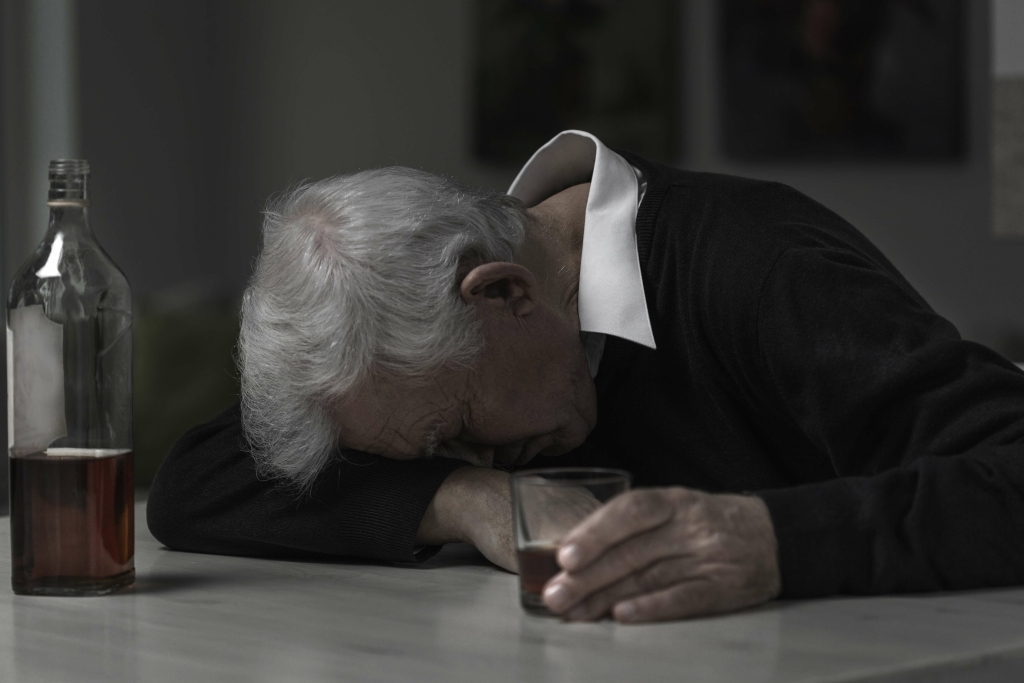
The effects of alcohol on the brain can also result in slowed reaction times and decreased inhibitions. Additionally, excessive alcohol consumption can lead to blackouts or memory loss, as alcohol interferes with the formation of new memories. There are somewhat predictablestagesthat a person will go through when they drink alcohol. Thestages of intoxication varyfrom person to person based on a variety of factors. Reactions to alcohol will vary by weight, age, sex, rate of consumption, overall health, amount of alcohol used, and amount of food in the stomach.
Being tipsy refers to the early stages of intoxication, where you feel relaxed, social, and slightly impaired. Being drunk means the effects of alcohol are much stronger, and you may have impaired motor skills, judgment, and coordination. Many people are curious about how alcohol affects the body, both physically and emotionally. In this article, we’ll break drunk feeling down the experience of being drunk, how it feels at various stages of intoxication, and the risks that come with alcohol use.

Practical Tips for Mindful Drinking
In the early stages of drinking, when we are just “tipsy,” most of us experience a degree of euphoria. For some people, this state of utter joy persists no matter how much they drug addiction drink. They might start to slur their words or become less coordinated, but nothing can bring their mood down.
Eating before or while you drink helps slow the absorption of alcohol somewhat, but it can not prevent intoxication or impairment if you have too much to drink. The effects are difficult to explain because mad honey is not a drug, not alcohol, and not caffeine. For more information on binge drinking and how to stop it, read What Is Binge Drinking and How Can You Stop It?.